

Our care guide:
Upholstered pieces bring warmth, texture, and personality into a space. Whether it is the relaxed drape of linen, the tailored comfort of cotton, or the soft coziness of sherpa, each fabric carries its own unique charm and its own care story. With a little attention, your favorite sofa or armchair can remain just as inviting as the day it arrived.
Linen: Light, Airy, and Ever-Evolving
Linen is loved for its natural, breathable texture and effortless sophistication. It softens over time, developing a relaxed character that adds to its appeal. To keep it looking its best, gently vacuum with a soft brush attachment to remove dust before it settles into the weave. If a spill occurs, blot rather than rub with a clean, absorbent cloth, and use a mild soap mixed with distilled water for gentle spot cleaning. Because linen is sensitive to light, keep it out of direct sunlight to prevent fading.
What makes linen special is the story behind its fibers. Derived from the flax plant, it is one of the oldest and most enduring textiles, valued for its strength and texture. The cultivation of flax requires little beyond healthy soil and rainfall, making it a material that thrives naturally. Every part of the plant is used, leaving almost nothing behind, and its long fibers produce a fabric that resists pilling and tearing far better than its delicate appearance suggests. Linen furniture is meant to evolve as you live with it, softening with use, relaxing into your home, and gaining the kind of quiet character that only time can bring.

Cotton: Classic Comfort with Everyday Ease
Cotton upholstery is versatile and durable, a favorite for homes that balance beauty and livability. Regular cleaning helps it retain its freshness. Use a vacuum to lift dust and debris, and for any marks or spills, apply a small amount of mild soap mixed with cool water, dabbing softly with a cloth. Avoid over-wetting the fabric, as excess moisture can cause uneven shading or mildew. Rotating seat cushions every so often also helps distribute wear evenly, keeping your piece looking balanced and inviting.
Cotton’s appeal lies in its familiarity and resilience. It is woven from soft but sturdy fibers that breathe easily, adapt beautifully to color, and grow softer over time. Long-staple cotton, in particular, produces a smoother weave that stands up well to everyday life. When grown and processed with care, cotton upholstery becomes an enduring choice that feels both grounded and refined. With gentle upkeep, it holds its comfort and structure for many years, developing a warm, lived-in look that reflects the rhythm of your home.

Performance Fabrics: Designed for Real Life
Performance fabrics are designed to handle modern living, resisting stains, fading, and wear. They are ideal for homes with pets, children, or frequent guests. Even so, they benefit from regular care. Blot spills immediately with a soft cloth, and clean with a mild soap and water solution for most stains. For oil-based marks, use a gentle solvent recommended by the manufacturer. Some performance textiles can also be cleaned safely with diluted bleach, though it is always best to check the label first.
What makes performance fabrics remarkable is the balance they strike between durability and comfort. Many are woven from carefully refined or recycled fibers that maintain their strength and softness over time. They require fewer replacements and less frequent deep cleaning, which means less waste and more longevity. The technology behind these textiles continues to evolve, creating pieces that can withstand the realities of daily life while still feeling inviting and beautifully made.

Velvet: Luxurious Depth and Character
Velvet offers a soft sheen and visual depth that few fabrics can match. Though it looks delicate, it is surprisingly resilient when handled with care. Use a lint roller or velvet brush to remove dust and maintain its signature nap. If the pile becomes crushed, steam it lightly from a distance, but never iron it flat. Spills should be blotted immediately, followed by a gentle cleaning with mild detergent and water. Avoid placing velvet in direct sunlight, which can fade the rich tones and alter its texture.
The making of velvet has always been a patient craft, involving intricate weaving techniques that create its signature pile. Many contemporary velvets are woven with updated methods or blends that make them more durable without losing their luxurious feel. The way light moves across velvet is part of its charm, revealing texture and depth that change from every angle. Over time, it develops a soft patina that speaks to its history in your home. Velvet rewards care and attention, evolving gracefully and reflecting both craftsmanship and life well lived.

Bouclé: Textured Beauty with a Soft Edge
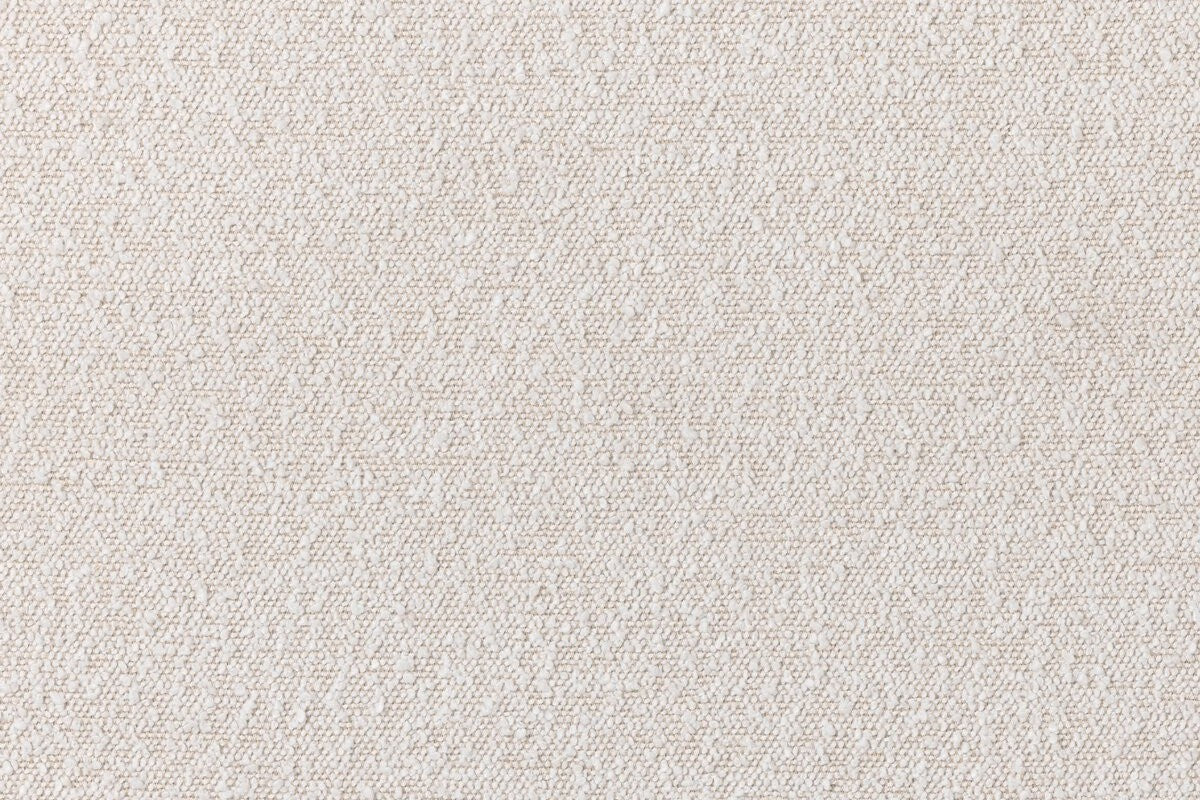
Bouclé’s distinctive loops and nubby texture make it a standout fabric in both modern and classic interiors. Its surface requires gentle handling and a bit of attention to keep it looking fresh. Use a vacuum on low suction or a lint roller to remove debris without catching the loops. If a spill occurs, dab it softly with a damp cloth, then dry immediately with cool air to maintain the texture. Avoid harsh scrubbing, as it can flatten or distort the fabric’s surface.
Bouclé is often woven from a thoughtful blend of fibers such as wool, cotton, or recycled materials, chosen for their durability and comfort. Each strand is spun to create a layered, tactile quality that feels both refined and approachable. This complexity gives bouclé its signature depth and warmth, allowing it to soften a structured space or lend dimension to a minimal one. When treated gently, it becomes even more inviting over time, its texture relaxing slightly while keeping its elegant, sculptural form.

Sherpa: Plush, Cozy, and Inviting
Sherpa brings instant comfort to a room. Its plush texture and gentle loft create the kind of warmth that makes you want to linger. To maintain that soft surface, brush it regularly with a fabric brush to lift any flattened fibers and remove surface dust. Spot clean gently with a mild soap and minimal water, and allow it to air dry completely before use. Avoid dryers or direct heat, which can cause matting and loss of texture.
Sherpa’s charm lies in the way it feels as much as the way it looks. Its construction is inspired by natural wool, but with added strength and ease of care. The brushed surface is designed to hold its shape while retaining its airy softness, offering a cozy texture that remains durable through years of use. When paired with clean-lined furniture or natural materials like wood and metal, sherpa adds a note of comfort and balance, softening a space without losing sophistication.

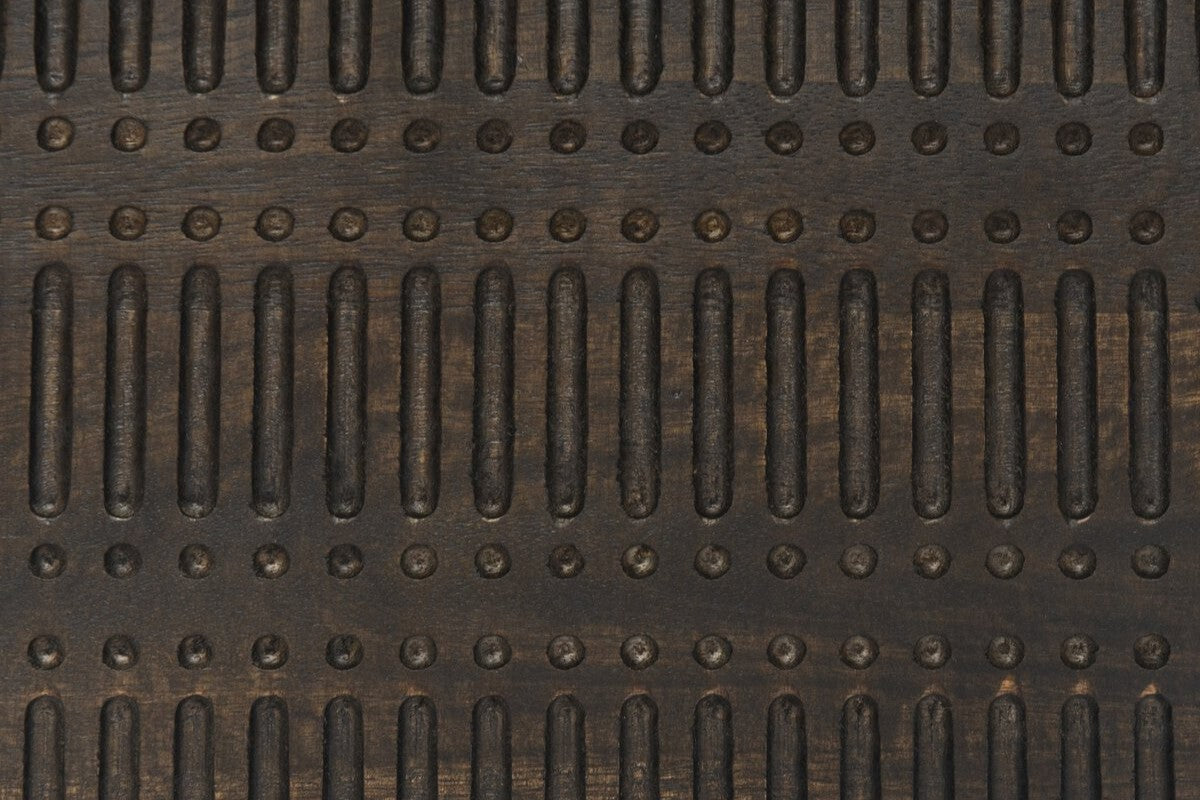
Caring for wood is about presence, noticing the way sunlight warms it, how its color deepens with time, and how small marks and changes become part of its story. Each type of wood, whether solid or reclaimed, is a small act of sustainability in itself, a choice to value craftsmanship and longevity over the disposable.
When we care for wood furniture, we are not just maintaining it. We are participating in its life. The polish, the warmth, and the slow evolution of tone are reminders that beauty can endure when treated with care.


Leave a comment
This site is protected by hCaptcha and the hCaptcha Privacy Policy and Terms of Service apply.