


Telling Stories With Color
|
|
Time to read 3 min
|
|
Time to read 3 min
Color is often the first thing we notice in a room, but in thoughtful interior design it does far more than decorate. Color shapes mood, influences perception, and defines how a space feels from the moment you step inside.
At Known, designers use color as a storytelling tool, one that creates atmosphere, depth, and emotional connection.
For Fatou Ceesay, color has always been about immersion and intention. While techniques like color drenching (the practice of using the same color on many surfaces in a room) may feel newly popular, her approach to color has long focused on how deeply it can shape the experience of a space.
In projects like The Brady, Fatou leaned into rich, inky blues and deep blacks to explore the relationship between light and dark. In areas with lower ceilings, saturated tones were carried across walls and ceilings to blur visual boundaries. The result was a moody, intimate space with a strong sense of depth and no hard visual stops, demonstrating how color can transform not just how a space looks, but how it feels.
“I was always a fan of this color application form before I even knew a name for it.” — Fatou Ceesay
Fatou's Favorites
For Tyler Myers, color is one of the most powerful tools designers have to influence how people perceive a space. While he acknowledges that color can be subjective and vary from culture to culture, he relies on core principles of color theory to guide his decisions.
By considering contrasts like warm versus cool tones and light versus dark values, Tyler allows the space itself to determine the direction of the palette. Living spaces often benefit from warmth, while darker rooms can become more intentional when they lean into deeper tones. Brighter spaces, on the other hand, are allowed to embrace their natural light rather than work against it.
This approach ensures that color responds to the architecture instead of competing with it. By reading the conditions of a space first including its light, scale, and function, color becomes a tool for clarity rather than distraction, reinforcing the way a room is meant to be experienced.
“Color is such an amazing tool to form somebody’s perception of a space.” — Tyler Myers
Tyler's Favorites
Jacqueline Roldan uses color to bring personality and energy into a space, paying close attention to how it works alongside finishes and materials. Rather than treating color as a standalone feature, she views it as something that should support and elevate the elements already in place, from surface finishes to textures and details.
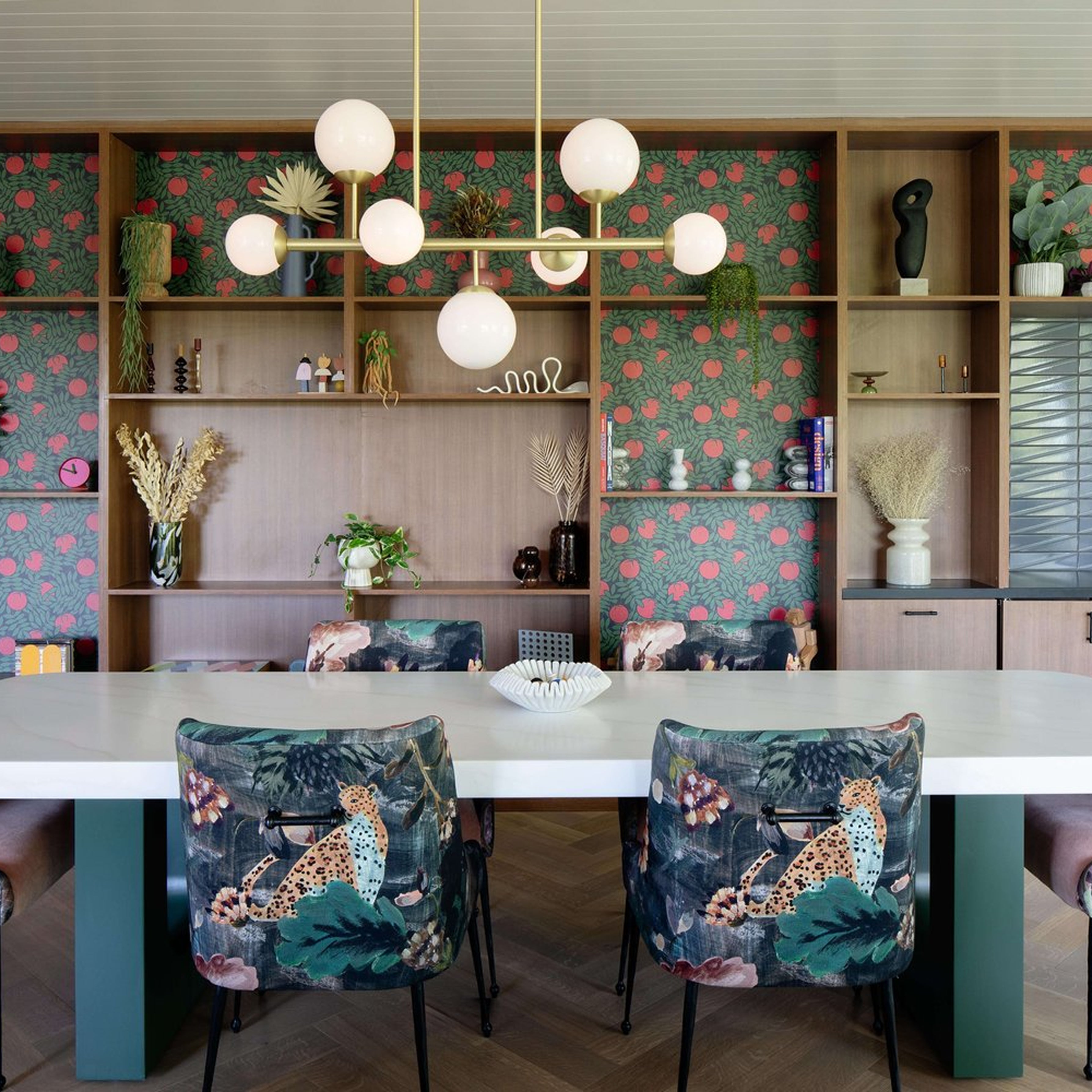
In her tropical-inspired Margo project, warm hues helped define the mood and character of the space. Sunset and sunrise tones were layered thoughtfully, allowing color to move through the room in a way that felt natural and expressive. The palette wasn’t meant to dominate the design, but to work in harmony with the finishes, reinforcing the overall atmosphere.
By letting color respond to material choices, the space gained depth without feeling busy. Each hue played a role in highlighting textures and transitions, creating visual interest while maintaining balance. The result was a design that felt playful and immersive, yet still cohesive and intentional.
Jacqueline’s approach shows how color can act as a unifying thread, connecting finishes, materials, and mood into a single, cohesive story. When used this way, color doesn’t overwhelm a space; it gives it clarity, energy, and a distinct sense of place.
“I incorporated sunset/sunrise colors, especially to compliment the finishes in the project.” — Jacqueline Roldan
Jacqueline's Favorites
Across these perspectives, one idea remains consistent: telling stories with color isn’t about chasing trends or following rigid rules. It’s about understanding how color shapes mood, perception, and experience.
When applied thoughtfully, color can:
Influence how a space feels
Enhance architectural features
Shape perception and atmosphere
Create deeper emotional connection
At Known, we believe the most successful interiors don’t just look good, they feel right. And when color is used with care, it becomes one of the most powerful ways to tell that story.
Color choices are deeply personal, shaped by the spaces we’re drawn to and the way we want our homes to feel. If you’re interested in exploring your own preferences more intentionally, our style quiz offers a simple way to reflect on the colors, materials, and moods that resonate with you, and how they might come together in your space.


