


Design Eras Informing Modern Interiors
|
|
Time to read 3 min
|
|
Time to read 3 min
Design history offers more than aesthetic reference. It provides a framework for understanding how spaces function, how materials age, and how environments make people feel. While trends shift quickly, design eras endure because they are rooted in ideas that respond to human needs, cultural moments, and craftsmanship.
At Known, favorite design eras are not treated as rules to follow, but as sources of insight. They help designers articulate intention, establish mood, and create spaces that feel grounded and considered rather than fleeting.
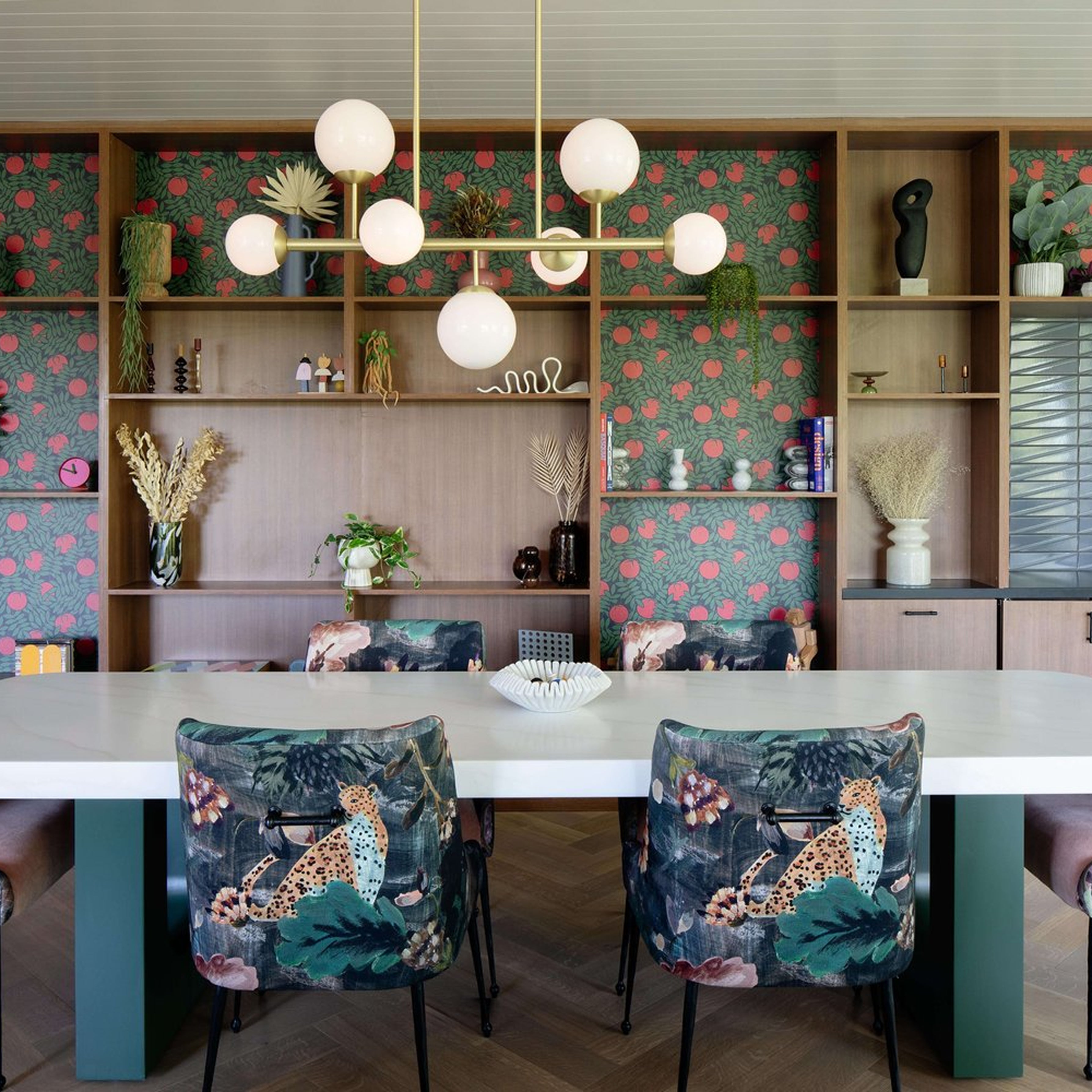
For Fatou Ceesay, favorite design eras are about emotion and personality rather than strict categorization. She draws inspiration from multiple periods, allowing different styles to inform her work in ways that feel expressive and collected.
“Though I gravitate towards a multitude of design styles and eras I like the cozy tones and exuberance of the 70s, and 1920s glamour and the geometric drama of art deco.”
— Fatou Ceesay
These influences offer a mix of warmth, drama, and visual interest. By pulling from different eras, Fatou creates spaces that feel layered and dynamic, reflecting individuality rather than a single moment in time.
“Grounding and soulful design, not overly polished but full of personality.”
— Fatou Ceesay
Her approach embraces imperfection and character, allowing history to inform design without feeling rigid. The result is interiors that feel expressive and deeply personal, balancing references from the past with a sense of ease and authenticity.
Fatou's Favorites
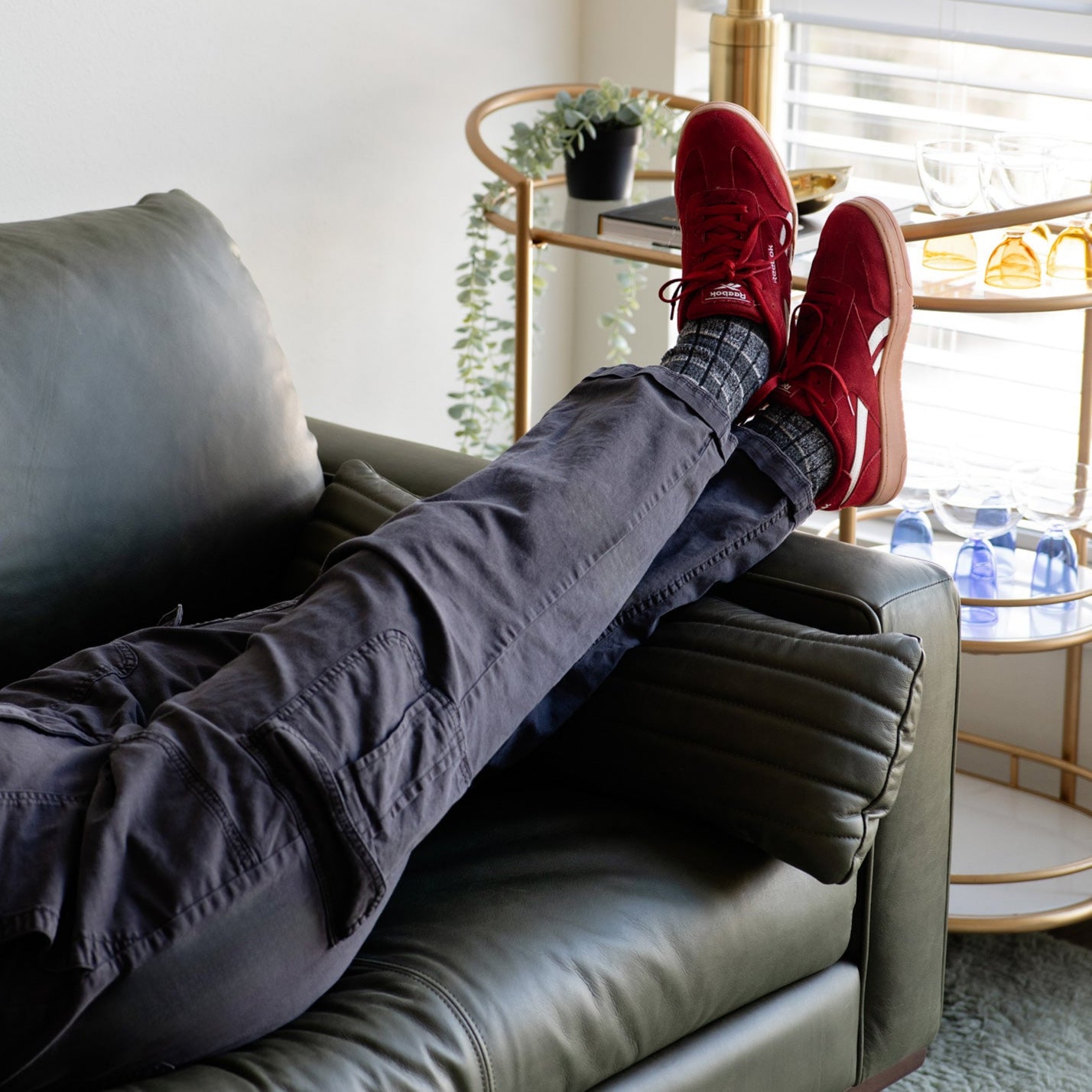
Favorite design eras are defined by clarity and purpose for Tyler Myers. He is drawn to movements that prioritize function and restraint, where every element serves a role and excess is stripped away. These eras provide a framework for creating spaces that feel intentional and enduring.
“I tend to gravitate toward eras that emphasize utility & simplicity.”
— Tyler Myers
His interests span a range of design movements, from Bauhaus and mid century modern to agrarian and industrial influences. What unites them is their focus on usability and straightforward construction. These eras demonstrate that impactful design does not rely on ornament, but on proportion, material honesty, and thoughtful execution.
“From these examples, you can assume that my favorite designs make big statements while staying simple & functional.”
— Tyler Myers
In modern interiors, these influences show up through clean lines, purposeful layouts, and materials that are allowed to speak for themselves. By grounding his work in these principles, Tyler creates spaces that feel both bold and practical, designed to be lived in rather than admired from a distance.
Tyler's Favorites
For Jacqueline Roldan, her favorite design era is rooted in warmth and craftsmanship. She is drawn to styles that feel grounded and enduring, where materials carry history and spaces feel welcoming from the moment you enter. She feels especially drawn to the 1940's Tuscan design style.
The appeal of this period lies in its emphasis on natural materials, traditional forms, and a deep respect for craft. These spaces feel lived in and timeless, creating a sense of comfort that transcends trends.
“The moment you enter a building that is inspired or designed around the Tuscan Era, it feels like home.”
— Jacqueline Roldan
Rather than recreating historical interiors, Jacqueline brings these influences into contemporary projects through accent pieces, furniture selections, and material choices. By weaving in elements that reference this era, she creates modern spaces that feel warm, layered, and connected to a sense of place.
Jacqueline's Favorites
Across all three perspectives, favorite design eras act as guides rather than rules. They provide context and inspiration, helping designers articulate mood, structure, and intention within a space.
By understanding and referencing the past, designers can create interiors that feel grounded and meaningful while remaining relevant to how people live today. These eras continue to shape spaces that feel thoughtful, layered, and enduring.
At Known, design history is not about nostalgia. It is about recognizing the ideas that last and using them to create spaces that feel personal, intentional, and lived in.
Design preferences are often shaped by the eras that resonate most deeply with us. If you are curious how historical styles influence your own taste, our style quiz offers a simple way to explore the design eras, materials, and moods that feel most natural to you.


