



Our care guide:
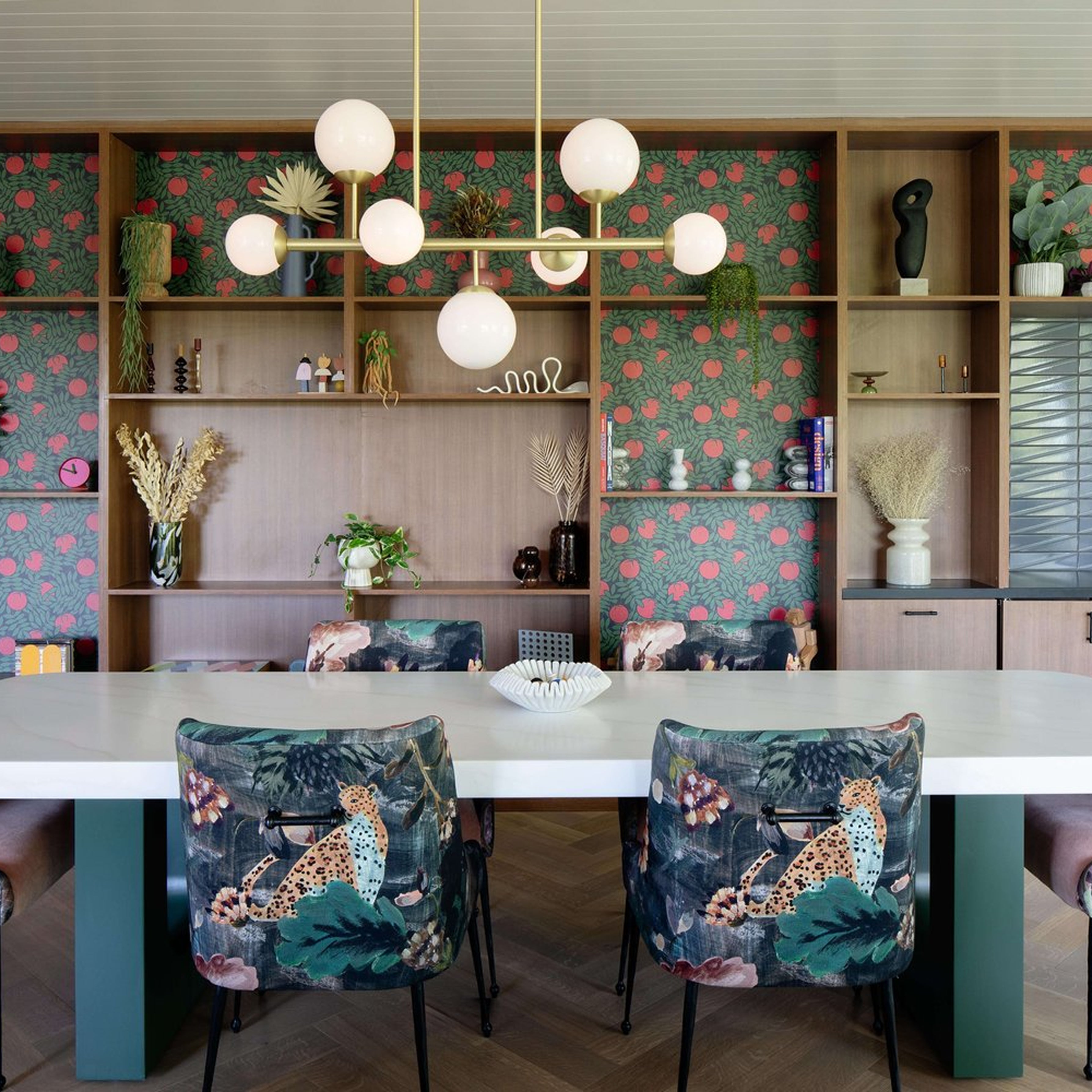
Stone and concrete furniture bring structure, elegance, and balance into the home. Their sculptural forms and cool textures anchor a room, creating contrast against warm woods and soft fabrics. Whether you are drawn to the smooth polish of marble, the earthy warmth of travertine, or the raw minimalism of concrete, these natural materials are designed to last for generations. With the right care routine, they only grow more beautiful over time.
Marble: Refined and Enduring
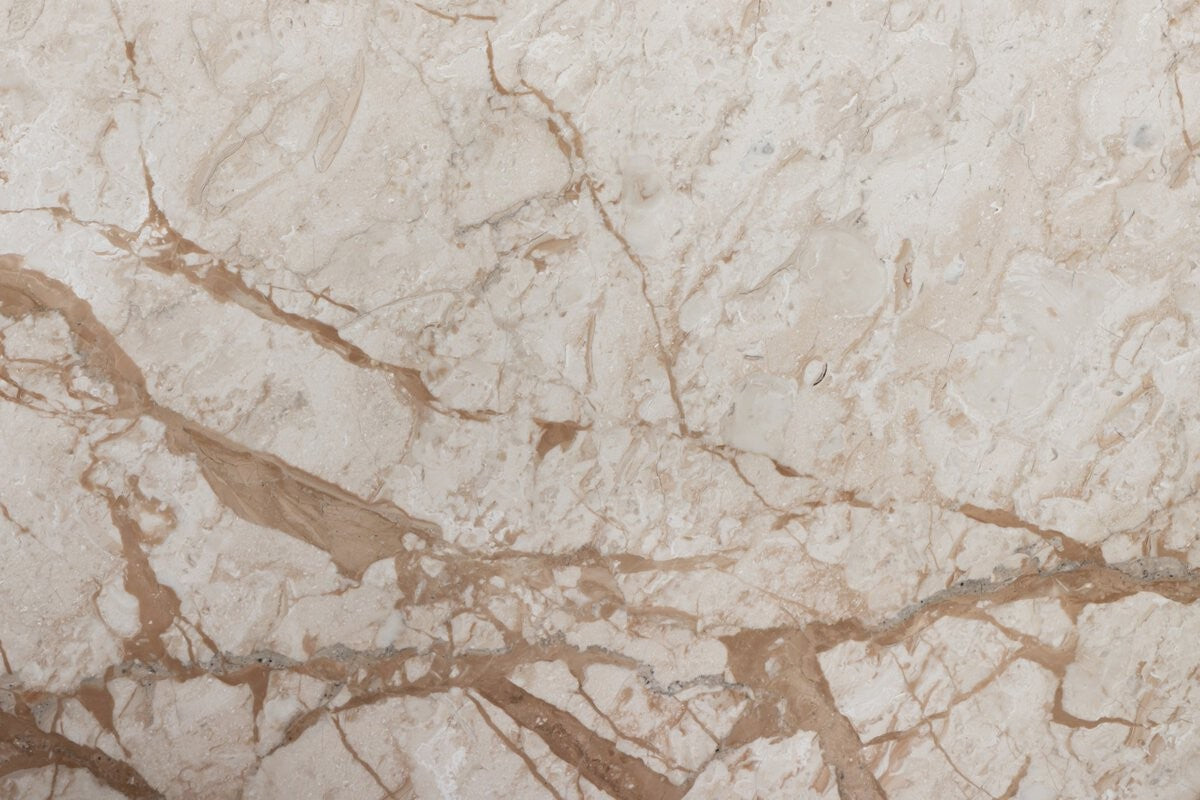
Marble furniture has an effortless elegance that instantly elevates a room. Its signature veining, formed deep in the earth, gives every slab a unique personality. The surface feels cool to the touch and takes on a gentle luster under natural light, making marble a favorite for coffee tables, consoles, and dining tops.
To care for marble furniture, wipe it regularly with a soft, damp cloth and a mild, pH-balanced cleaner. Avoid anything acidic, including vinegar or citrus-based products, as they can dull the finish or cause etching. When a spill occurs, blot it immediately with a clean cloth rather than wiping, to prevent the liquid from spreading into the pores. Sealing marble once or twice a year helps protect it from staining and makes maintenance easier.
Over time, marble develops a faint patina, a soft glow that reflects years of daily life. These subtle changes in tone and texture are part of its natural beauty. A well-loved marble surface becomes a reflection of your home, capturing small traces of gatherings, sunlight, and quiet moments.

Travertine: Organic Warmth and Lasting Character
Travertine carries a sense of relaxed luxury. Its soft beige and cream tones add warmth and texture to interiors, while its porous surface feels organic and tactile. Every piece is distinct, featuring small pockets and ridges that speak to its natural origin in mineral springs.
To clean travertine furniture, use a mild soap diluted in water and a soft cloth. Avoid strong chemicals, acids, or abrasive scrubbers, which can wear down the surface. Because travertine is more porous than marble, it benefits from sealing once or twice a year. Blot spills as soon as they happen, especially those from wine, juice, or oil. With routine care, travertine keeps its gentle polish and smooth feel.
What sets travertine apart is the quiet way it interacts with light. Its surface shifts subtly throughout the day, creating a sense of movement. As it ages, it becomes smoother, warmer, and more inviting. Travertine tables and consoles bring the kind of effortless natural beauty that only deepens with time.

Concrete: Minimalist Strength and Modern Appeal
Concrete furniture embodies modern simplicity. Its clean geometry and neutral tone make it a versatile base for contemporary interiors. When handcrafted, concrete reveals faint tonal variations and delicate surface markings that give it depth and authenticity.
To maintain concrete furniture, clean with a soft, damp cloth and mild soap. Avoid acidic or abrasive products that can erode the sealant. Most concrete surfaces are sealed at the time of production, but resealing every year or two preserves their resistance to moisture and stains. For outdoor use, protect concrete tables from prolonged rain or frost, which can cause surface wear over time.
Concrete naturally develops soft changes in tone, adding dimension and texture. Small hairline patterns or subtle patina are part of its evolution, not imperfections. These details mark the passage of time and highlight the artistry behind each handcrafted piece. Concrete’s quiet strength and adaptability make it a cornerstone of modern design, bridging durability with beauty.

Terrazzo: Playful Craftsmanship and Durability
Terrazzo furniture brings color, texture, and craftsmanship into harmony. Created by embedding marble, glass, or quartz fragments into cement or resin, it celebrates imperfection through pattern. Each surface tells a story through its speckled composition, polished smooth to reveal depth and detail.
To care for terrazzo furniture, wipe it with a soft, damp cloth and mild soap. Avoid acidic cleaners and harsh abrasives that can dull the surface or break down its sealant. Regular cleaning keeps terrazzo vibrant, while resealing every few years helps maintain its shine and resistance to moisture.
Beyond its playful aesthetic, terrazzo is also a thoughtful material choice. Many makers use reclaimed stone fragments, reducing waste while creating something entirely new. This blend of artistry and purpose gives terrazzo its lasting appeal. Its versatility suits everything from sculptural side tables to minimalist dining surfaces, each one a small work of craftsmanship designed to endure.

The key to maintaining stone and concrete furniture lies in consistency. Clean surfaces regularly with gentle, non-acidic products, avoid prolonged contact with liquids, and reseal porous materials like marble, travertine, limestone, and concrete every year or two. Protect against heat, scratches, and harsh impacts by using coasters and mats.
Small marks, shifts in tone, and soft edges are all part of the story these materials tell. They are evidence of natural beauty, not signs of wear. With thoughtful care, stone and concrete furniture become heirloom pieces that reflect both craftsmanship and time, quietly evolving as they live alongside you.



Leave a comment
This site is protected by hCaptcha and the hCaptcha Privacy Policy and Terms of Service apply.