



A well designed room is never created all at once. It is built gradually through intentional layering that brings depth, warmth, and a sense of cohesion to your home.
If you have ever wondered how to layer a room like a professional interior designer, the answer lies in understanding how each element such as furniture, materials, lighting, and decor works together to create a space that feels complete rather than decorated.
Layering is what transforms a room from flat to dimensional, from styled to lived in. It is one of the most important interior design techniques for creating a home that feels both elevated and effortless.
Establish the Foundation
The first step in learning how to decorate your home like a designer is building a strong foundation.
This includes your primary furniture pieces such as sofas, beds, dining tables, and storage that define the structure of the room. Choosing well proportioned furniture is essential for achieving a balanced interior design layout. Oversized or undersized pieces can disrupt the flow, making layering more difficult later on.
A key interior design tip is to begin with a cohesive color palette. Instead of relying too much on bold contrast, designers often work within a neutral or tonal range such as warm whites, soft taupes, natural wood tones, and muted grays to start. This creates a calm base that allows layering textures and materials to stand out.
Spacing is equally important. One of the most overlooked home styling tips is leaving intentional negative space. Proper spacing between furniture pieces improves visual flow and prevents the room from feeling cluttered before decor is even introduced.
At this stage, focus on creating a room that feels grounded, functional, and visually balanced. A strong foundation is what allows every other layer of interior design to feel intentional.

Build Depth with Layered Textures, Materials, and Lighting
Once your base is established, the next step in layering a room is adding depth through materials, textures, and lighting.
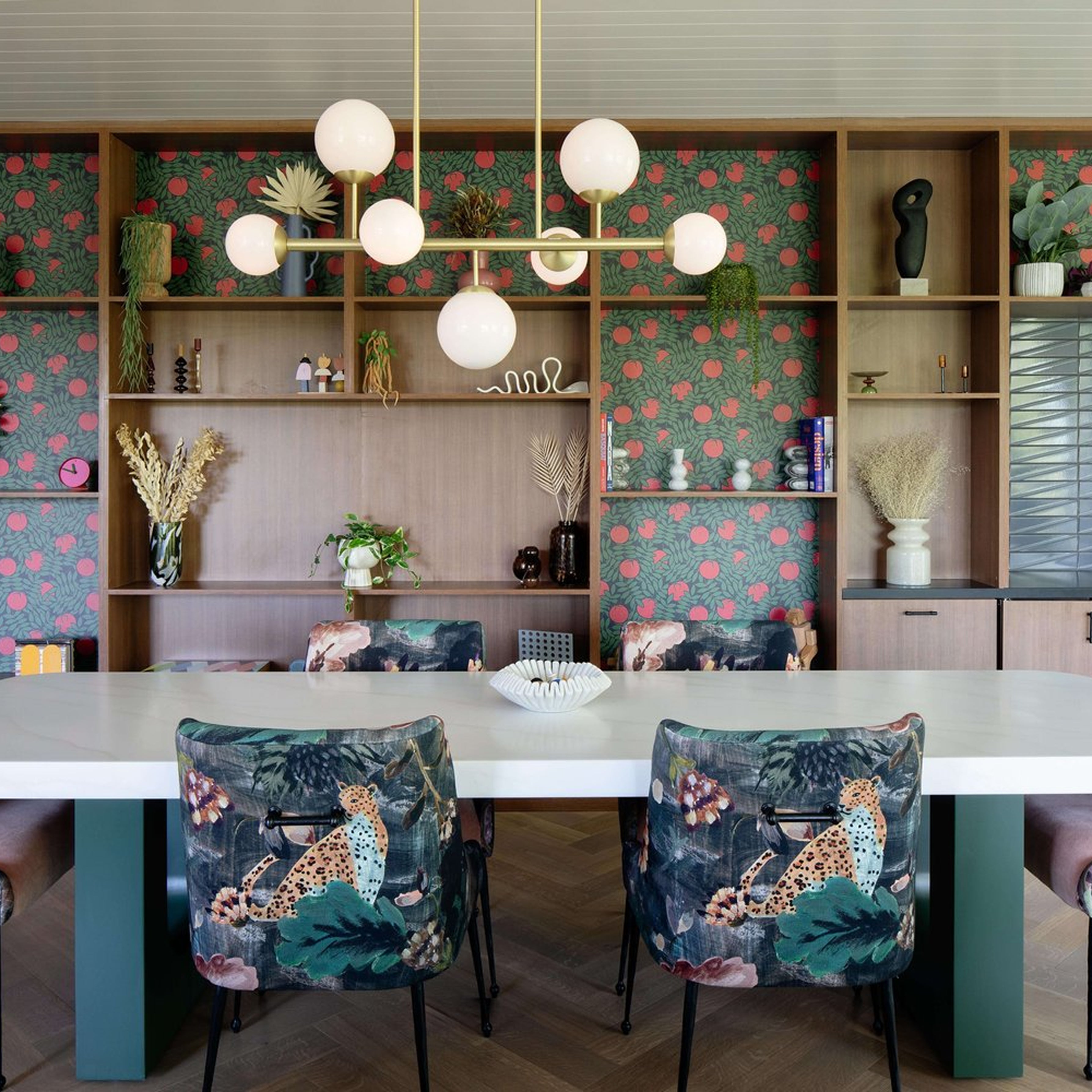
One of the most important interior design principles is mixing materials. A well layered room combines a variety of finishes such as wood, linen, stone, metal, glass, and ceramics to create contrast and visual interest. This technique often referred to as layering textures in interior design helps a neutral space feel rich and dynamic.
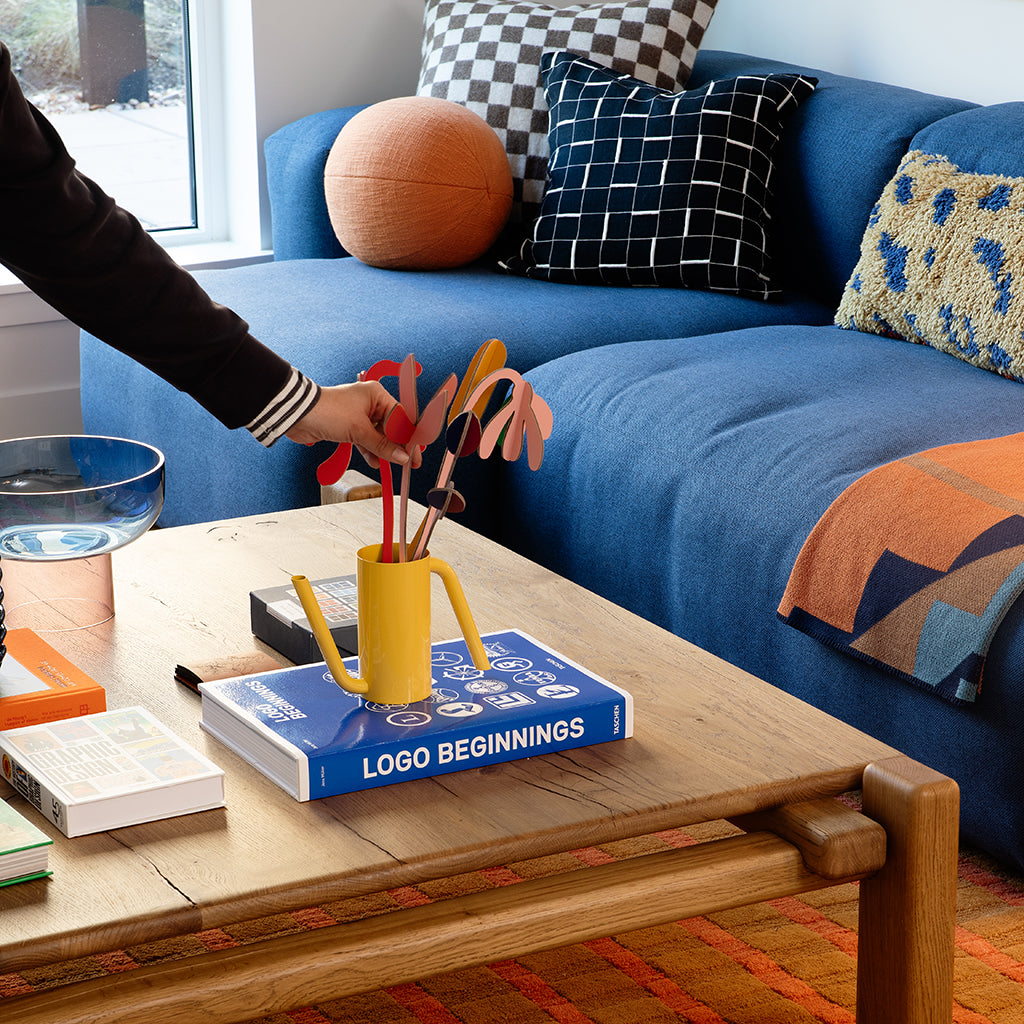
Textiles play a major role in home decor layering. Rugs, curtains, throw pillows, and blankets add softness and dimension.
Lighting is another essential layer that many people overlook when decorating a room.
To achieve a designer look, use a combination of
Ambient lighting such as overhead fixtures
Task lighting such as reading lamps or desk lamps
Accent lighting such as table lamps or wall sconces
Layered lighting creates depth, highlights textures, and enhances the overall atmosphere of your space. Warm lighting in particular makes a room feel more inviting and cohesive.

Refine with Decor, Styling, and Intentional Minimalism
The final step in how to layer a room like a designer is refining the space with decor and styling while maintaining a sense of restraint.
This is where personality comes in.
Interior designers use repetition to create visual rhythm throughout a room. Repeating materials, shapes, or colors such as curved silhouettes, natural wood finishes, or soft neutral tones helps tie the entire space together.
When styling surfaces like coffee tables, shelves, or consoles, focus on curated groupings rather than clutter. A stack of books, a sculptural object, and a natural element like a vase or greenery is often all you need to create a balanced vignette.
One of the most important modern interior design tips is embracing minimalism, not in the sense of having less, but in choosing better. Every item in a well layered room should feel intentional and contribute to the overall aesthetic.
Negative space is just as important as decor. Leaving areas unfilled allows the eye to rest and gives each piece room to stand out. This is what prevents a layered room from feeling overcrowded.
Finally, remember that interior design is an evolving process. The best rooms are not completed in a single day. They are refined over time as you discover new pieces and adjust your space to fit your lifestyle.

Learning how to layer a room is one of the most valuable skills in interior design.
By focusing on
- A strong foundation with balanced furniture and a cohesive color palette
- Layered textures, materials, and lighting for depth
- Thoughtful decor and intentional styling with restraint
You can create a home that feels elevated, cohesive, and uniquely yours.
A well layered room does not rely on trends or excess.
It is built through thoughtful decisions one layer at a time until everything feels effortlessly complete.


Leave a comment
This site is protected by hCaptcha and the hCaptcha Privacy Policy and Terms of Service apply.